
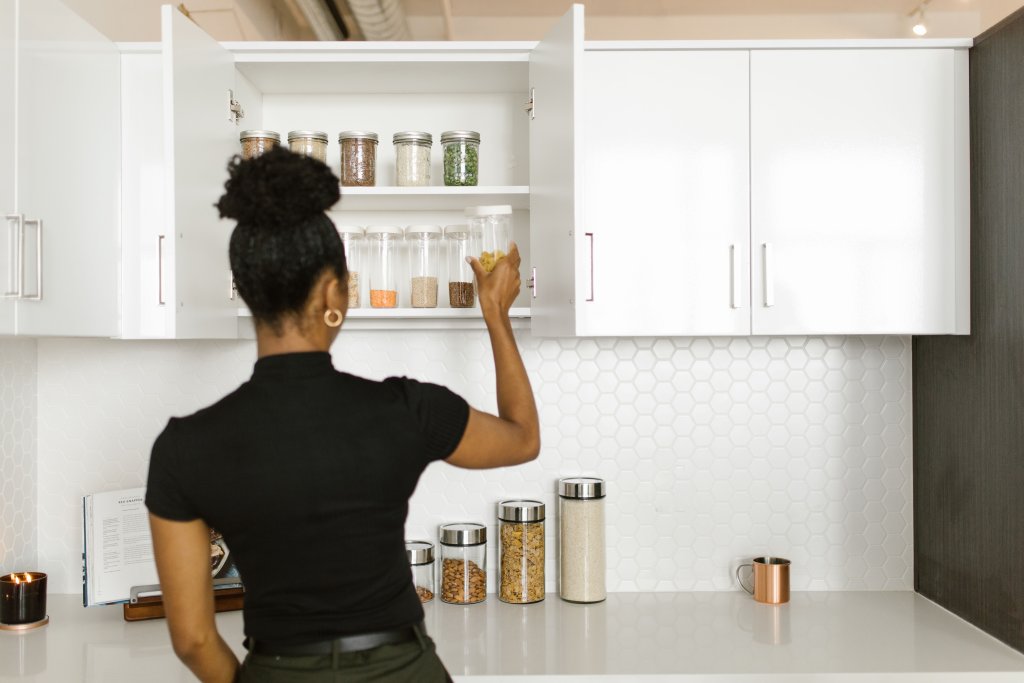
If you are passionate about cooking and eating well at home, you have probably invested in quality ingredients, good knives, and maybe even a stand mixer.
But there is one home upgrade that can completely transform your relationship with food, and most people never think about it: finishing your basement as a pantry or food storage space.
Here is why your basement might be the most underrated part of your kitchen.
Why Basement Storage Changes Everything
The typical Canadian home kitchen has limited pantry space. Deep shelves get cluttered, canned goods disappear to the back, and bulk buying becomes impossible when you simply do not have room. A finished basement changes the equation entirely.
Cool, stable temperatures make basements naturally ideal for food storage. Root vegetables last longer. Wine keeps better. Bulk dry goods stay fresh for months. A properly finished basement becomes an extension of your kitchen, one you will use every single week.
The First Step: A Dry Foundation
Here is the catch that nobody tells you upfront: a basement is only useful for food storage if it is completely dry. Moisture is the enemy of every pantry staple. Humidity encourages mold, attracts pests, and turns your carefully stored flour, rice, and spices into a loss.
Before investing in shelving, lighting, or organization systems, you need to make sure your basement is properly sealed. This is not a DIY project you want to cut corners on.
Working with experienced basement renovation specialists ensures the space is waterproofed, ventilated, and truly ready for use. A dry basement is not just more comfortable, it is the foundation of a functional food storage space.
What to Store in a Basement Pantry
Once your basement is properly prepared, the storage possibilities open up dramatically.
Dry goods in bulk: Flour, sugar, rice, pasta, oats, and lentils all store beautifully in airtight containers in a cool basement. Buying in bulk reduces your grocery bill significantly and means you always have staples on hand.
Canned and jarred goods: A basement pantry is ideal for home-canned preserves, store-bought canned goods, and pickled vegetables. Stable, cool temperatures extend shelf life well beyond what a kitchen cabinet offers.
Root vegetables: Potatoes, onions, garlic, beets, and carrots naturally keep best in cool, dark conditions. A well-managed basement is as close to a root cellar as most modern homes will ever get.
Wine and fermented drinks: If you enjoy wine, kombucha, or home-brewed beverages, a basement offers the consistent cool temperatures that preserve flavor and quality over time.
Freezer overflow: A chest freezer in the basement gives you the flexibility to stock up on meats, frozen vegetables, and batch-cooked meals, saving money and reducing last-minute grocery trips.
Setting Up Your Basement Pantry
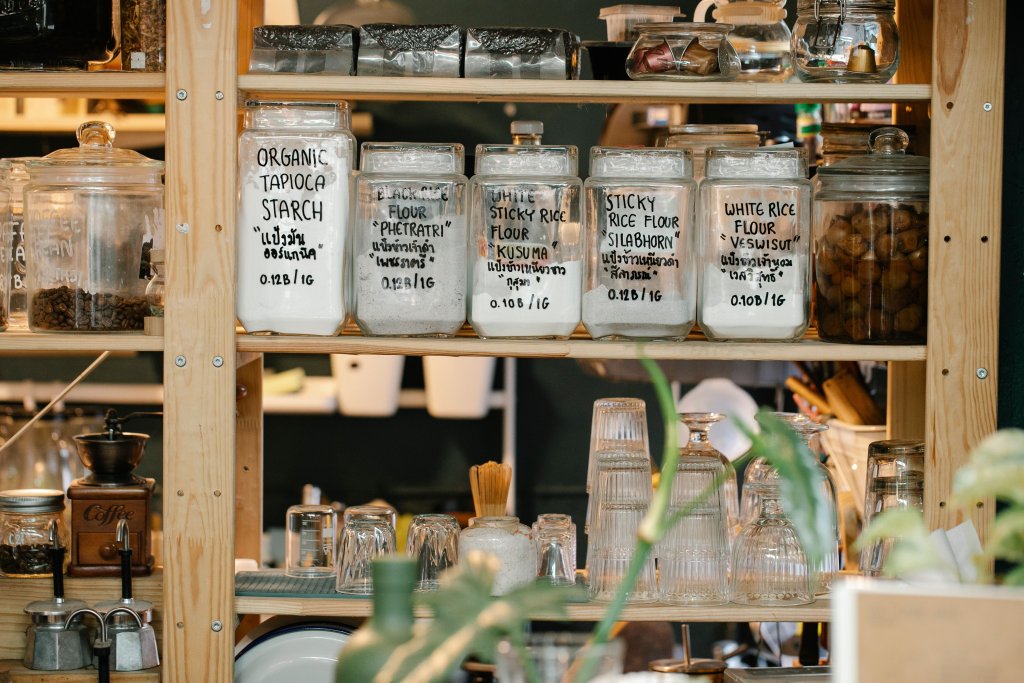
Once the space is dry and ready, setting it up as a functional pantry is the enjoyable part.
Install sturdy shelving. Wire shelving or solid wood shelves both work well. Aim for adjustable shelves so you can accommodate different container sizes. Leave space between the wall and the shelf to allow for air circulation.
Label everything. In a basement pantry, labels are essential. Use airtight containers with clear labels including the date you stored each item. First in, first out applies here just as much as in a professional kitchen.
Group by category. Keep baking supplies together, canned goods together, and snacks in their own section. A well-organized pantry makes meal planning faster and reduces food waste because you always know exactly what you have.
Control the environment. A small dehumidifier helps regulate moisture levels during humid summer months. A simple thermometer lets you track conditions and make sure everything stays ideal for storage.
Light it well. Motion-activated LED strip lighting makes the space easy to use without fumbling for a switch every time you head downstairs.
The Real Payoff
A functional basement pantry changes how you shop, cook, and eat. You buy smarter, waste less, and always have what you need on hand for a great meal.
Families who use basement storage consistently report spending less on groceries because they can take advantage of sales, buy in bulk, and stop making emergency runs to the store mid-recipe.
It also reduces stress in the kitchen. When your pantry is well-stocked and well-organized, getting dinner on the table feels less like a scramble and more like a pleasure.
If you have been dreaming about a kitchen upgrade but are not sure where to start, consider starting below the kitchen. A finished, dry, organized basement might be the single best food-related home investment you can make.