

A basket of tomatoes, a crate of zucchini, and a bag of freshly pulled carrots can turn a quiet kitchen fridge into a game of Tetris within a single afternoon. Anyone who grows their own food eventually runs into the same problem: the harvest arrives in waves, but the fridge has fixed shelves.
Learning how to store harvested vegetables properly is less about buying more space and more about understanding which crops need cold, which need cool and dark, and which barely need refrigeration at all.
This article looks at why a single kitchen fridge struggles during peak season, how to sort produce by its actual storage needs, where a small secondary fridge can help, and which daily habits keep food fresh no matter what equipment is used.
TL;DR — Key Takeaways
- Knowing how to store harvested vegetables starts with sorting crops by moisture and temperature needs, not treating the fridge as one uniform space.
- Root vegetables, onions, and winter squash often do better in cool, dark, non-refrigerated storage than crammed into crisper drawers.
- A small secondary fridge in a garage or utility room can isolate surplus produce from the temperature swings of a busy kitchen fridge.
- Washing produce just before use, not before storage, and checking stored items weekly catches spoilage early.
Why Homegrown Harvests Overwhelm a Single Kitchen Fridge
A standard kitchen fridge is built around the rhythm of weekly grocery shopping, not the sudden bulk of a garden in full production.
The crisper drawers are sized to hold a few days’ worth of salad greens and a handful of vegetables, not the ten pounds of tomatoes that ripen together after a warm week or the armful of zucchini that seems to double overnight.
When a harvest arrives all at once, that mismatch in scale becomes obvious fast: drawers overflow, produce gets pushed to the back and forgotten, and airflow around the food gets blocked by sheer volume, which slows the fridge’s ability to keep everything at an even temperature.
The problem is not only about space, though. Different crops also compete for conditions that a single crowded fridge cannot provide at once.
Leafy greens want high humidity to stay crisp, while some fruits and vegetables release ethylene gas as they ripen, which speeds up spoilage in anything stored nearby.
Root vegetables, by contrast, often want less airflow and don’t need refrigerator-level cold at all. Packing all of these into one drawer means at least one type of produce is sitting in the wrong environment, quietly losing quality even while it looks fine on the shelf.
This is why gardeners who grow at any real scale tend to notice the same pattern each season: the fridge that worked fine in April feels hopelessly small by August.
The issue isn’t poor planning, it’s that a kitchen appliance designed for steady, moderate use is being asked to absorb an irregular, seasonal surplus.
Matching Produce Type to Cooling Conditions
Not every vegetable or fruit actually benefits from refrigeration, and treating the fridge as the default answer for all garden output often wastes both space and quality. Potatoes, onions, garlic, and winter squash are a good example: these crops store best in a cool, dark, dry spot with steady airflow, and refrigeration can actually work against them.
Cold temperatures can convert some of the starch in potatoes into sugar, altering flavor and texture, while onions and garlic tend to soften or sprout faster in the moist environment of a fridge drawer. A cellar, a shaded garage shelf, or an insulated box in a utility room does a better job for these crops than cold storage ever could.
At the other end of the spectrum are berries, leafy greens, and cut herbs, which degrade fastest and genuinely need dedicated cold storage to hold their quality for more than a day or two.
Berries are delicate and prone to mold once bruised, so cold slows the growth of the organisms responsible for that decay. Leafy greens lose moisture quickly at room temperature and wilt within hours, so refrigeration paired with enough humidity keeps the cell structure intact longer.
Cut herbs behave almost like cut flowers: trimmed stems set in a small amount of water inside the fridge stay usable far longer than herbs left loose in a bag.
In between these two extremes sit crops like tomatoes, which are best kept at room temperature until fully ripe and only refrigerated briefly if there’s a genuine surplus, and cucumbers, which tolerate cool storage but suffer in temperatures much colder than a standard fridge setting.
Sorting a harvest into these three rough categories, cool-and-dark, cold-and-humid, and room-temperature-until-ripe, is a more useful first step than deciding how many fridges a household needs.
Where a Compact Single Door Fridge Fits in a Home Storage Setup
Once produce has been sorted by its actual cooling needs, the crops that genuinely require cold storage still need somewhere to go once the kitchen fridge is full. This is where a small, standalone unit earns its keep.
A compact single-door fridge takes up a footprint similar to a tall cabinet, which makes it a practical fit for a garage corner, a mudroom, or a utility area where overflow produce can sit separately from the everyday items in the kitchen.
Rather than trying to force one appliance to serve two very different jobs, splitting the load lets each fridge do a narrower, more predictable task.
There’s also a mechanical reason this separation helps beyond simply freeing up shelf space. Every time a kitchen fridge door opens, warm air rushes in and the internal temperature spikes briefly before the compressor works to bring it back down.
In a household kitchen, that door might open dozens of times a day for drinks, condiments, and quick snacks, and each opening is a small stress on whatever is stored just inside the door.
Produce sitting in a rarely opened secondary unit avoids that repeated cycle of warming and recooling, which helps maintain a more stable environment for items like berries or leafy greens that are sensitive to fluctuation.
For someone weighing options for that overflow space, a single door fridge offers a self-contained way to keep surplus harvest cold without disrupting the fridge already in daily use for regular meals.
A Liebherr single door fridge has a vegetable compartment with a humidity-control slider, and a base stand drawer underneath for potatoes and onions that should stay cool and dark rather than on a fridge shelf.
This kind of setup also simplifies inventory. When surplus produce lives in its own unit, it’s easier to see at a glance what’s building up and needs to be used, canned, or frozen before it turns, rather than losing track of a bag of greens buried behind the milk and leftovers in a crowded kitchen fridge.
Simple Habits That Extend Produce Freshness Regardless of Appliance
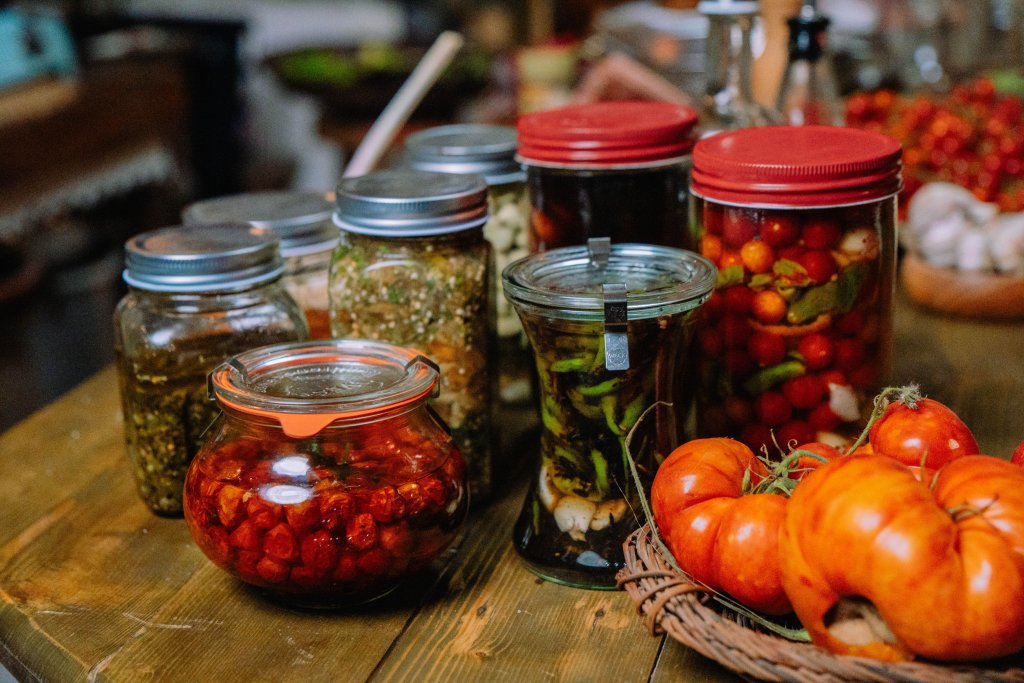
Equipment helps, but daily habits around handling produce matter just as much as where it’s stored. One of the most common mistakes is washing vegetables and fruit before putting them away rather than right before use.
Water left clinging to leaves, skins, or stems creates a moist surface that encourages mold and bacterial growth, so produce that’s rinsed and then stored tends to break down faster than produce that goes into storage dry and gets washed only when it’s about to be eaten or cooked. A quick brush to remove loose soil is fine; a full wash is better saved for the moment of use.
Sorting produce by ripeness before storing it is another habit that pays off. Mixing fully ripe tomatoes with green ones, for instance, speeds up ripening across the whole batch because of the ethylene gas that ripening fruit releases.
Grouping items by how close they are to peak ripeness, and storing the most urgent ones where they’re easy to see and reach, means less gets forgotten and wasted.
Finally, a weekly check of whatever is in cold or cool storage catches problems before they spread. One soft spot on a squash or one moldy berry left unnoticed can affect everything around it within a few days.
A short habit of turning over stored produce, pulling anything questionable, and using up items that are past their peak keeps the rest of the batch in better shape and reduces the amount that ends up thrown out at the end of the season.
Frequently Asked Questions (FAQ)
Is freezing better than refrigerating surplus garden produce?
For long-term storage, freezing generally makes better use of limited space than refrigeration, since frozen produce can be packed tightly and holds for much longer stretches without the steady spoilage clock that refrigerated items are on.
Refrigeration is better suited to produce that will be eaten within a short window, while freezing suits batches meant to last through the off-season.
How do I know if a secondary fridge is keeping produce at an even temperature?
Consistency matters more than hitting one exact number. It’s worth checking multiple spots inside the unit rather than assuming the whole interior matches the temperature near the door, since airflow and door openings affect different shelves unevenly.
A fridge that swings noticeably between checks is more concerning than one that reads slightly warmer but stays steady.
Can herbs and leafy greens be stored together with root vegetables?
They can share the same general space but do better with some separation, since root vegetables prefer lower humidity and less airflow while leafy greens and herbs need the opposite.
Where possible, keeping root crops in a drier, darker area and greens in a humid, cold drawer or container helps both hold their quality longer.