
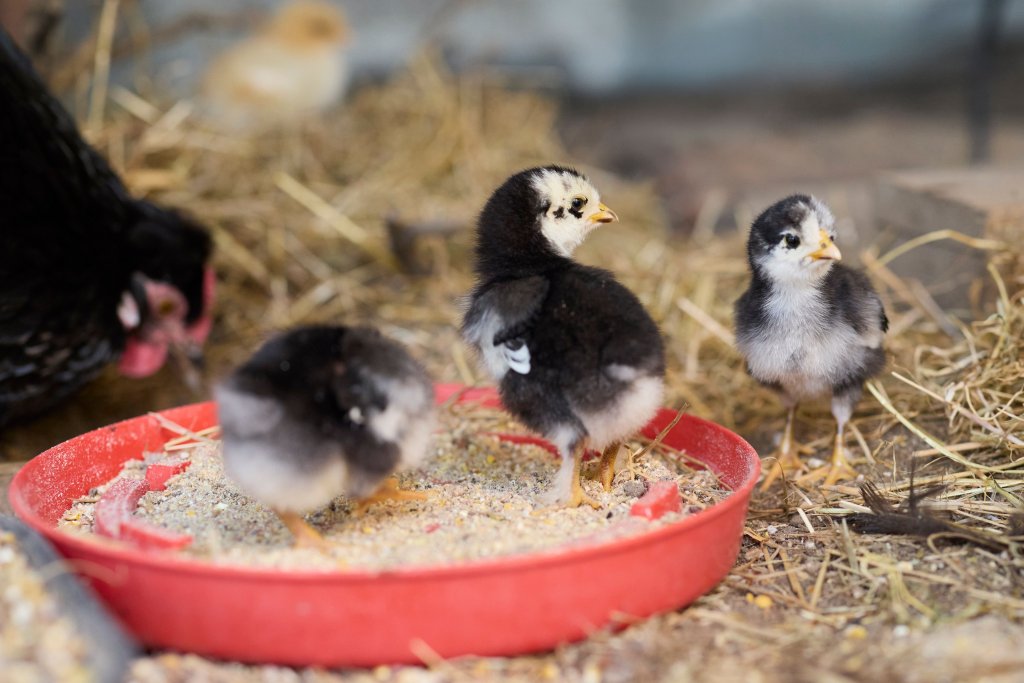
If you keep more than one species on your property, you already know how quickly feeding time turns into chaos. The chickens spill their crumble, the rabbits beg through the hutch wire, and the barn cat knocks over whatever you set down within reach.
A well-planned feeding station solves most of these problems before they start, and it starts with choosing the right small animal feed for each species you keep, then storing and serving it in a way that keeps the food fresh and the animals healthy.
Whether you run a small homestead with a handful of hens and a couple of rabbits, or you host visitors at a petting zoo, how you set up your feeding area matters just as much as what you put in the bowls. Here is a practical guide to getting it right.
Start With One Central Location
The first decision is where the feeding happens. Some people feed each animal inside its own pen, and for certain species that makes sense. But even then, you want a single spot where feed is stored, measured, and prepared.
Running back and forth between the garage, the barn, and the coop with a scoop in your hand gets old fast, and it increases the chance that someone gets the wrong food.
Pick a spot that is:
- Dry and shaded, since heat and moisture degrade feed quality
- Away from where water pools after rain
- Easy to reach with a wheelbarrow or cart
- Close enough to the pens that you are not hauling buckets across the whole property
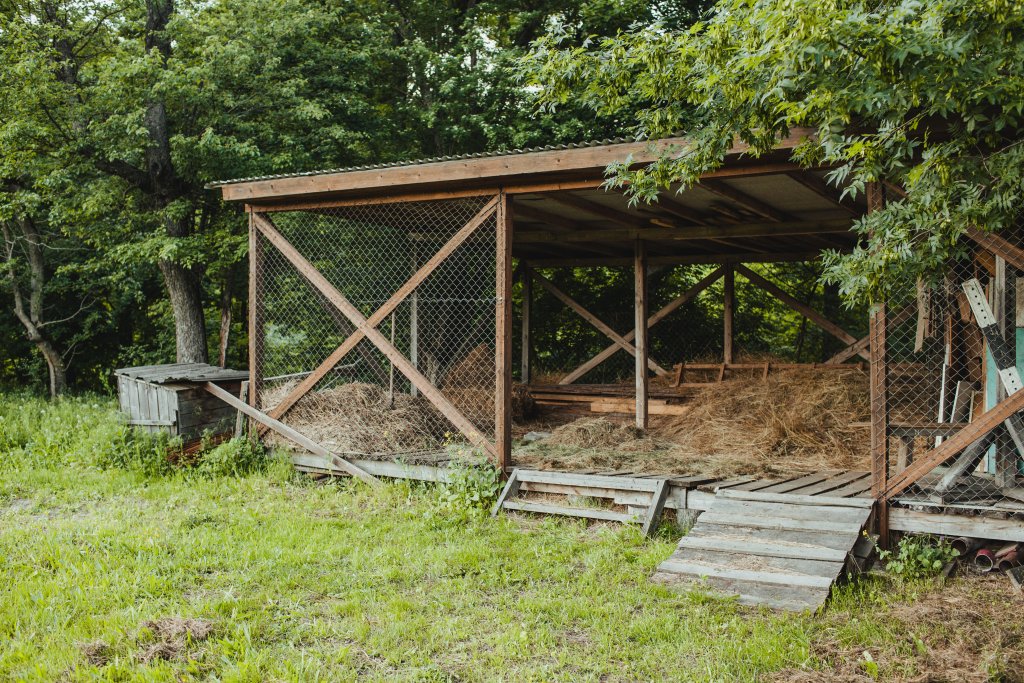
A small corner of the barn, a shed, or even a dedicated lean-to against a fence line works well. The point is consistency. When everything lives in one place, you notice right away when you are running low, and you are far less likely to grab the wrong bag in a hurry.
Keep Species Feed Separate and Clearly Labeled
This sounds obvious, but it is the number one mistake people make when they add a second or third species to the farm. Chicken layer feed contains calcium levels that are harmful to rabbits and guinea pigs over time.
Rabbit pellets are not appropriate for poultry. Medicated chick starter should never be within reach of anything other than the birds it is intended for, and dog and cat food left where goats or birds can reach it can cause real problems.
The fix is simple. Use labeled bins or dedicated shelves for each species. A metal trash can with a tight lid for the poultry feed, a separate sealed bin for rabbit and guinea pig pellets, and a shelf or sealed container for the dog and cat food.
Label everything, even if you think you will remember. Six months from now, when a neighbor is helping with chores while you are away, those labels will earn their keep.
If you buy feed in bulk from a local mill, ask for the feed tag or keep the label from the bag. Knowing the protein percentage and whether a feed is medicated helps you catch mistakes before they become vet bills.
Match the Feeder to the Animal
The right feeder cuts waste dramatically, and waste is money. Each species has its own quirks.
Chickens and poultry do best with hanging feeders or treadle feeders set at back height. Hanging feeders keep birds from scratching bedding and droppings into their food.
Treadle feeders, the kind that only open when a bird steps on the platform, also keep rodents and wild birds out, which matters more than most people realize until they are feeding a population of mice they never invited.
Rabbits need heavy ceramic bowls or feeders that attach to the hutch or cage wire. Lightweight dishes get flipped within minutes. J-feeders that mount on the outside of the cage let you refill without opening the enclosure, which is handy in bad weather.
Guinea pigs should have their hay in a rack rather than piled on the floor, where it gets soiled quickly. Their pellet bowl should be heavy or clipped down, and it should be checked daily since they tend to sit in whatever they are eating.
Dogs and cats on a farm do best with feeding stations set apart from the livestock area. A feeding spot inside the barn or on a covered porch keeps their food dry and reduces the chance of them wandering into the feed room looking for snacks.
Plan for Rodents From Day One
Every farm has mice, and most have rats whether the owners know it or not. A feeding station that is not rodent-proof is essentially a free buffet. Beyond the wasted feed, rodents chew through bags, contaminate food with droppings, and can carry diseases that affect both animals and people.
Metal containers with tight lids, elevated feeders, and feed stored off the floor on pallets or shelves go a long way. Clean up spills the same day they happen. A pile of spilled crumble under a chicken feeder is an open invitation.
Some farms also keep a barn cat or two specifically for this job, which is one reason cats have earned their place on homesteads for centuries. Just remember that a working barn cat still needs its own regular meals.
A cat that is expected to live on mice alone will eventually go looking for easier hunting, and the small animals in your hutches are not the ones you want it practicing on.
Think About Water at the Same Time
A feeding station without a water plan is only half finished. Animals need clean water more urgently than they need food, and the two should be managed together. In Pennsylvania and similar climates, winter adds a wrinkle since water freezes.
Heated waterer bases for poultry, insulated bowls for rabbits, and a plan for breaking ice on cold mornings should all be part of the setup before the first hard freeze arrives.
Keep water containers slightly away from feed containers. Wet feed molds fast, and moldy feed is one of the most common causes of illness in backyard flocks and small animals. If you would not eat it, do not feed it.
Special Considerations for Petting Zoos and Visitor Areas
If visitors, especially children, interact with your animals, the feeding station needs a few extra layers of planning.
First, separate the feed you give visitors from the feed you use for daily nutrition. Cup dispensers of an appropriate treat, like a measured scoop of a safe grain or pellets, let guests hand-feed animals without overfeeding them.
Post clear signs about what animals can be fed and what they cannot. Not every animal in a petting zoo can safely eat what is in the cup, and visitors will offer food to whatever is nearest.
Second, place hand-washing or sanitizer stations near the exit, not the entrance. People are far more likely to use them on the way out when they are placed right where they leave the animal area.
Third, lock up the feed storage area. Curious visitors, particularly kids, will open bins if they are accessible. A latch or a simple padlock prevents both messes and safety issues.
Build a Routine and Stick to It
Animals do better with consistency. Feeding at roughly the same times each day keeps laying hens on schedule, prevents the anxious behavior that comes from irregular meals, and makes it much easier to spot a problem.
An animal that suddenly is not interested in food is often your earliest sign of illness, but you can only notice that if feeding happens at predictable times and you are actually watching.
A good routine also includes a quick daily check of the station itself. Look for damp spots, chewed containers, spilled feed, or signs of rodents. Five minutes of attention each day prevents the kind of slow problems that turn into expensive ones.
The Payoff
A thoughtfully arranged feeding station saves feed, saves time, protects animal health, and makes chores something you barely think about instead of something you dread. It does not need to be fancy or expensive.
Most setups can be built with a few metal cans, some shelving, the right feeders for each species, and a bit of planning. Start simple, adjust as you learn how each animal uses its space, and the station will grow into something that works as hard as you do.