
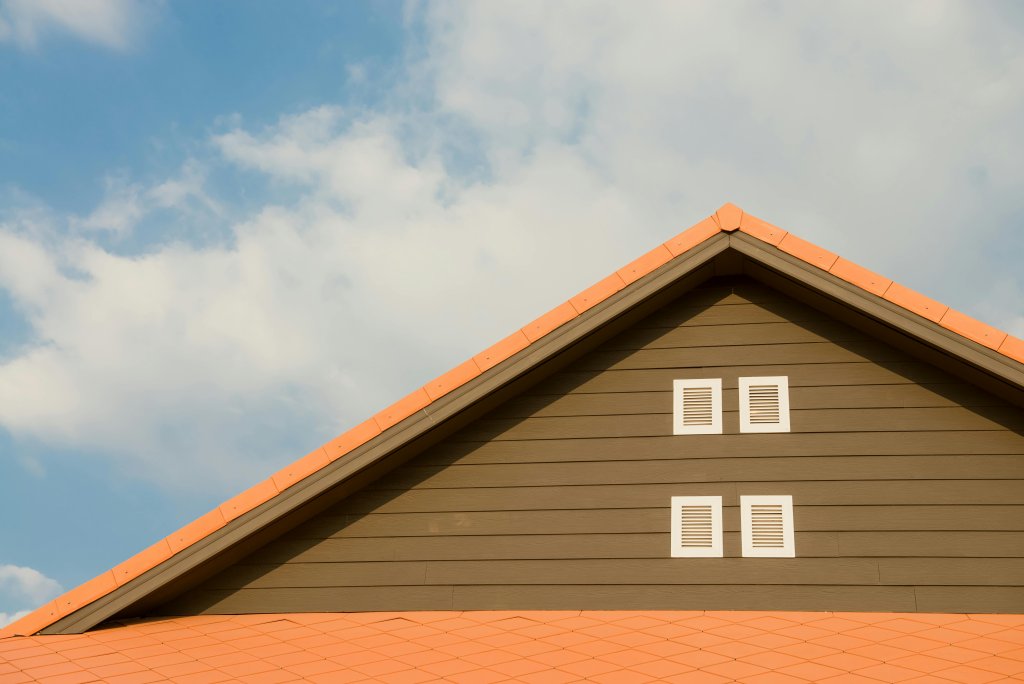
Columbus homeowners often delay roof inspections until a visible problem appears. Columbus winters create repeated freeze thaw stress, spring storms add wind and rain, and summer heat strains shingles and fasteners. Small defects such as lifted flashing, nail pops, or moisture intrusion expand steadily and raise repair costs. Routine inspections limit damage growth and convert unpredictable emergency repairs into planned maintenance.
Five common assumptions increase long term roofing expenses for Columbus property owners. These assumptions include delaying inspections, treating materials as interchangeable, assuming uniform installation quality, overestimating warranty coverage, and separating roofing from drainage and ventilation systems. Cost control improves through scheduled inspections, climate rated material selection, documented installation oversight, organized warranty records, and coordinated exterior system planning.
Inspections Can Wait
Seasonal inspections help control repair costs by catching small defects early. Loose flashing, worn sealant, damaged underlayment, or backed out fasteners can worsen quickly after winter and spring storms, especially after heavy snow loads and repeated ice melt cycles. Scheduling checks with a qualified roofer in Columbus OH after the winter thaw and again before fall helps keep repairs limited, affordable, and less disruptive.
Simple records support better decisions over time. Note inspection dates, visible conditions, repairs completed, and items needing follow up, including contractor names and material types used. Check attic areas for moisture marks, insulation gaps, and clear airflow paths. Review vents, pipe boots, and flashing edges from the exterior. Store photos with dates and address issues soon after discovery to avoid compounded damage and secondary interior repairs.
Materials Perform Equally
Roofing materials perform differently under Columbus weather conditions. Freeze thaw cycles, strong spring winds, and summer heat require shingles and underlayments rated for temperature movement and wind resistance, often verified through UL and ASTM testing standards. High wind shingles and synthetic underlayments typically resist lifting and shrinkage better than basic products. Correct fastener length and corrosion ratings also matter as materials expand and contract throughout seasonal temperature swings.
Product compatibility affects durability. Confirm that shingles, underlayment, flashing, and ventilation components are approved to work together within the same manufacturer system. Review manufacturer installation charts for nail type and placement. Compare technical specifications to local building code and exposure ratings, including wind zone classifications. Discuss these details with your roofer before ordering materials to reduce early wear and unexpected replacements.
Install Quality Is Standard
Installation quality directly affects roof lifespan and maintenance frequency, and results vary across crews. Dedicated supervision improves consistency from tear off through final fastening, particularly on larger or multi slope roof systems. Oversight confirms flashing placement, ventilation sizing, underlayment alignment, and fastening patterns match manufacturer specifications and local building code requirements without shortcuts.
Observable worksite practices indicate quality control. Organized material staging, daily cleanup, and complete removal of old fasteners reduce puncture risk and missed steps during installation. A pre cover checklist should verify flashing overlaps, fastener spacing, and unobstructed airflow paths before shingles are installed. A documented final walkthrough before payment confirms installation accuracy and code compliance.
Warranties Cover Everything
Roof warranties often cover less than homeowners expect. Material warranties usually address manufacturing defects and may reduce coverage over time. Workmanship warranties apply to installation errors only. Exclusions often include storm damage, ventilation problems, or modifications made after installation. Reading the coverage language prevents incorrect assumptions.
Organized records simplify claims. Keep warranty certificates, contracts, receipts, and dated photos together. Register products when required and track claim deadlines. Report issues promptly to both the manufacturer and installing contractor. Follow documented claim steps, request written responses, and store copies for reference if questions arise later.
Roofing Stands Alone
Roof performance depends on proper integration with gutters, fascia, and drainage systems. Incorrect gutter slope or deteriorated fascia can redirect water toward roof edges and beneath shingles. Reviewing gutter alignment, downspout discharge locations, and fascia condition during roof planning reduces moisture related deterioration.
Wall transitions and attic conditions also affect roof durability. Flashing at siding and wall joints must direct water outward. Attic insulation should remain clear of intake and exhaust vents. Restricted airflow increases moisture accumulation and material breakdown. Coordinated maintenance of roofing, drainage, and ventilation supports consistent performance.
Lower roofing costs result from consistent, documented maintenance decisions supported by routine oversight. Seasonal inspections identify defects early, including flashing failures, fastener movement, and ventilation restrictions. Climate rated materials reduce damage from wind exposure, temperature swings, and moisture intrusion. Supervised installation limits workmanship errors tied to fastening patterns, flashing alignment, and airflow design. Organized warranty records speed issue resolution and clarify coverage limits. Coordinated management of roofing, gutters, fascia, drainage, and attic ventilation controls water movement and moisture buildup. Together, these practices reduce repair frequency, extend roof service life, and stabilize long term ownership costs through planned, measurable maintenance actions.