
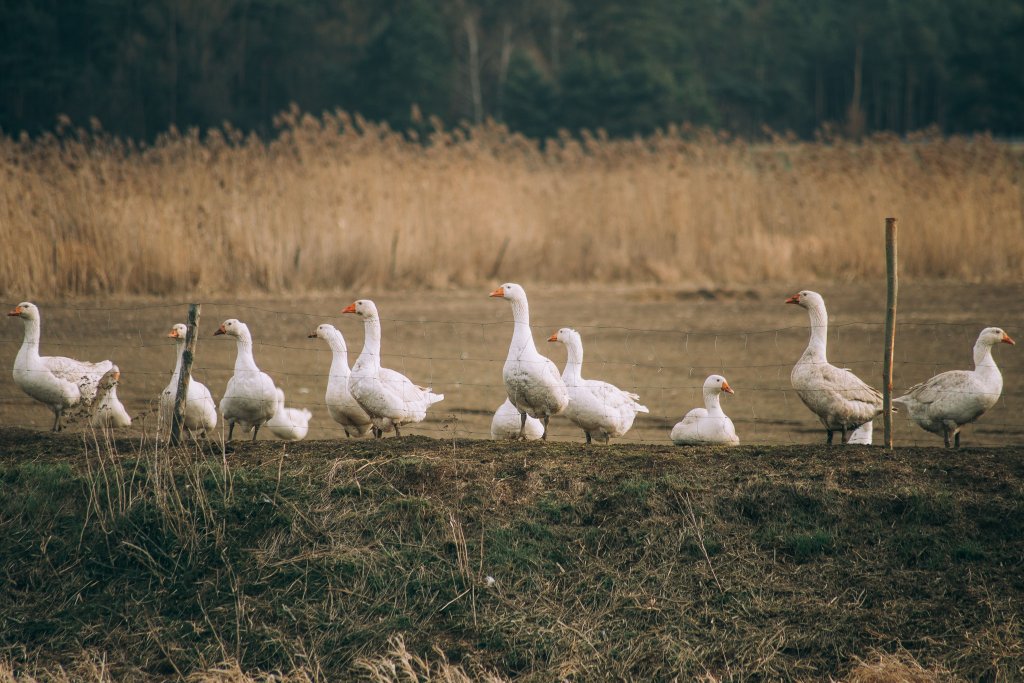
When most people picture a homestead flock, they imagine chickens scratching around the coop or maybe a few ducks on the pond. Geese tend to be an afterthought, and honestly, that is a shame.
Geese are some of the most useful, hardy, and entertaining birds you can raise on a small piece of land. They mow your grass, guard your property, lay enormous eggs, and if you choose the right breed, they can put meat on the table too.
If you have been browsing listings forgeese for sale at local hatcheries or farm exchanges, you have probably noticed they are not quite as common as day-old chicks. That is not because geese are difficult.
It is because most homesteaders simply never learned how to raise them. This guide covers everything a beginner needs to know before bringing geese home, from picking a breed to dealing with that one aggressive gander everyone warns you about.
Why Geese Deserve a Spot on Your Homestead
Geese fill a niche that no other barnyard animal covers. They are grazers by nature, which means a large part of their diet is grass.
If you have pasture, lawn, or orchard space, geese will convert that greenery into eggs, meat, and fertilizer at almost no feed cost to you. A chicken needs grain brought to it. A goose largely needs grass and water.
They are also watchdogs. Geese have excellent eyesight and hearing, they are territorial, and they are loud when something unusual walks onto the property.
Homesteaders have used geese as alarm systems for centuries. A goose will spot a hawk, a raccoon, or a stranger long before you do, and they will absolutely let you know about it.
Finally, geese are tough. They tolerate cold better than almost any other poultry, they resist many common diseases that wipe out chicken flocks, and they live a long time. A well cared for goose can be with you for 15 to 20 years, sometimes longer.
Choosing the Right Breed
Not all geese are created equal, and the breed you pick should match what you actually want from the birds.
Embden are the big white geese you probably picture when someone says the word goose. They grow fast, reach impressive weights, and are a favorite for meat production. They are generally calm but not overly friendly.
Toulouse are heavy, calm, and slow moving. They are excellent for small homesteads because they are less likely to wander or cause trouble. The production type is a good dual purpose bird.
Chinese geese are smaller, loud, and extremely alert. If you want a guard animal first and an egg layer second, a pair of Chinese geese is hard to beat. Just know that “loud” is putting it mildly. Your neighbors will know you own them.
African geese are large, striking birds with a distinctive knob on their bill. They are good layers for a heavy breed and fairly docile, though the knob is sensitive to frostbite in brutal climates.
Pilgrim geese are a homesteader favorite because they are auto-sexing, meaning males and females have different colors from hatch. That saves you the guessing game of figuring out who lays eggs and who does not.
For a first flock, most beginners do well with Embden or Pilgrim geese. Pick two or three birds to start. Geese are social and a single goose will be miserable and noisy about it.
Starting With Goslings
You have two realistic options: buy goslings from a hatchery, or buy adult birds from a local farm. Goslings are cheaper and bond to you more easily, but they need brooding care for the first few weeks. Adults cost more but skip the brooder stage.
Goslings need a warm, dry brooder, starting around 90 degrees Fahrenheit for the first week and dropping about five degrees each week after. Use a heat lamp with a thermometer at floor level so you can watch their behavior.
Comfortable goslings spread out and move around. Cold goslings pile up under the lamp. Hot goslings pant and press against the walls away from the heat.
One thing that surprises new goose owners is how fast goslings grow. A gosling can go from palm sized to nearly full grown in ten weeks. Have your adult housing ready before you need it, because they will outgrow the brooder quickly.
Housing and Fencing
Geese do not need a fancy coop. What they need is dry, draft-free shelter at night and room to roam during the day. A simple three-sided shed works fine in most climates. Plan on at least six to eight square feet of shelter space per bird, and remember that geese prefer to sleep on the floor, not on roosts.
Fencing is where people get lazy and then get frustrated. Geese are not flyers like chickens, so a three-foot fence usually contains them. But they are curious and strong, and they will test weak spots.
Woven wire or electric poultry netting both work well. If predators like coyotes or foxes are common in your area, electric fencing is worth every penny.
Do not clip their wings unless you have to. A goose’s ability to flap and glide matters more for escaping ground predators than it does for flying away.
Water: The One Thing You Cannot Skimp On
Here is the good news. Geese do not need a pond. That surprises a lot of people. What they need is water deep enough to dunk their heads, because a goose has to be able to rinse its eyes and nostrils, and mating happens more naturally when birds can at least stand in deeper water.
A stock tank, a kiddie pool, or a large rubber tub all work. The catch is that geese are filthy with water. They splash, they muddy it up within hours, and they turn the area around the water into a swamp.
Put the water source away from the shelter, on gravel or a well-drained spot, and plan to refresh it daily. Some homesteaders build a simple drain or set the tub on a bed of coarse gravel to manage the mess.
Feeding Pastured Geese
The beauty of geese is that grass is their main meal. A mature goose on good pasture will eat very little supplemental feed during the growing season. Offer a waterfowl or grower feed as a supplement, especially during breeding season and winter, and always provide grit so they can digest what they forage.
Never feed geese bread. It is the classic mistake at the park and it is just as bad at home. Bread fills them up without nutrition and can cause angel wing in growing birds, a condition where the wing twists out of position due to fast growth and poor diet.
Eggs, Meat, and the Spring Attitude Problem
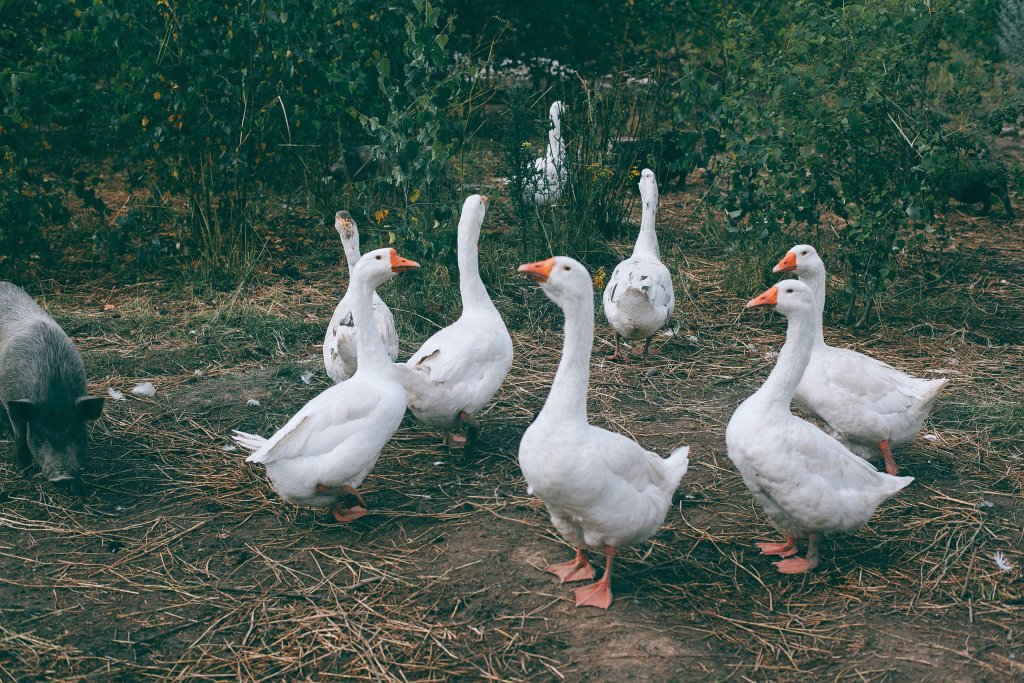
Geese lay seasonally, not year round. Expect eggs in spring and early summer, roughly 25 to 60 per female depending on breed. Goose eggs are enormous, rich, and excellent in baking. One goose egg roughly equals three chicken eggs.
If meat is your goal, geese are ready around 16 to 20 weeks for a small roaster, or let them grow into a larger holiday bird. The demand for farm-raised goose around the holidays is real, and many small producers sell out every year.
Now, the honest part. During breeding season, ganders get territorial. A goose that followed you around like a puppy in January may charge you in April. This is normal.
Carry a rake or a stick during nesting season, do not turn your back on a nesting pair, and give them space. The aggression fades once goslings hatch and the season ends. Most experienced keepers just work around it and laugh about it later.
Common Beginner Mistakes
The big ones are easy to avoid. Do not buy just one goose. Do not expect them to live on chicken feed alone. Do not skip the water depth. Do not panic the first time a gander hisses at you. And do not assume geese and chickens will sort things out on day one. Introduce them gradually, with separate feeding areas at first.
Final Thoughts
Geese are not for everyone. They are loud, they are messy near water, and they have opinions about everything. But for the homesteader who wants a bird that earns its keep, geese are hard to beat.
They mow, they guard, they lay, and they do it all while being genuinely fun animals to have around. Start with a small trio, set up simple housing and clean water, and let your pasture do most of the feeding. Within a season, you will wonder why you waited so long.