
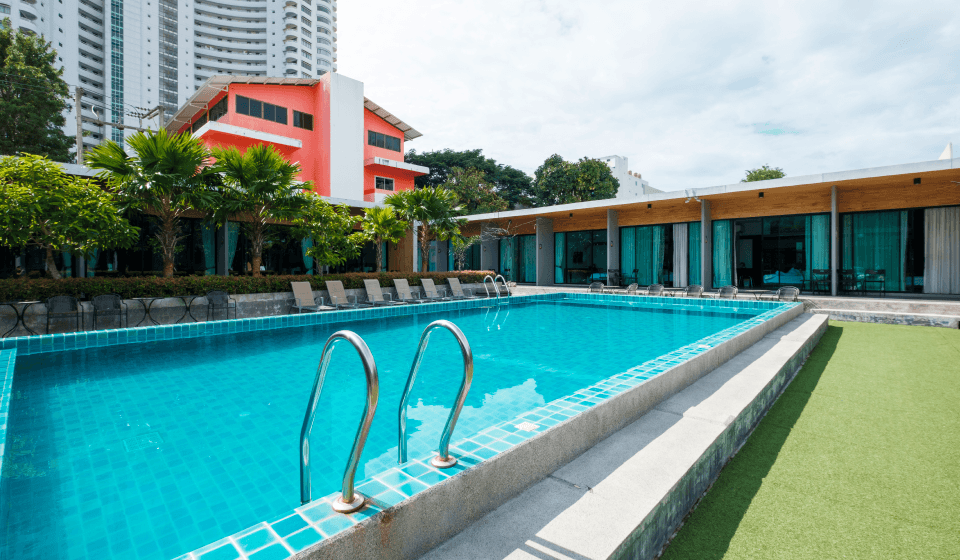
A swimming pool is often one of the most valued features of a home, providing a space for relaxation, exercise, and entertainment.
However, like any major outdoor feature, pools experience wear and tear over time. Working with an experienced pool builder in Geelong can help homeowners identify whether a pool simply needs minor repairs or would benefit from a complete renovation.
Identifying potential issues early can help homeowners maintain functionality, improve efficiency, and maximise the long-term value of their pool investment.
Key Indicators That Your Pool Needs an Upgrade
Visible Cracks and Surface Damage
One of the clearest signs that you may need a pool renovation in Geelong is the appearance of visible cracks, chips, or surface deterioration.
Small cosmetic imperfections may not seem significant initially, but they can develop into larger structural concerns if ignored. Cracks can allow water to escape, contribute to soil movement around the pool, and place additional stress on surrounding components.
Frequent Repairs Are Becoming Common
Occasional repairs are a normal part of pool ownership. However, when maintenance issues become increasingly frequent, renovation may be a more cost-effective solution than continuing to replace individual components.
Repeated repairs to pumps, filters, plumbing systems, or pool surfaces can quickly add up. In many cases, upgrading ageing systems provides better value than repeatedly fixing outdated equipment.
Rising Energy and Operating Costs
Many older pools rely on equipment that was installed years ago and may no longer meet current efficiency standards.
Upgrading equipment during a renovation project can dramatically improve efficiency. Modern variable-speed pumps, advanced filtration systems, and automated controls are designed to reduce energy consumption while maintaining excellent water quality.
Over time, these improvements can contribute to noticeable savings and make pool ownership more affordable.
The Pool No Longer Matches Current Lifestyle Needs
A pool that once met a household’s needs may no longer suit changing preferences and lifestyle requirements.
Families grow, entertainment habits evolve, and homeowners often seek additional features that enhance comfort and usability. Renovation allows homeowners to customise their pool environment and create a more functional space for relaxation, recreation, and social gatherings.
Water Loss and Ongoing Leak Issues
While some evaporation is natural, excessive water loss often points to leaks within the pool shell, plumbing network, or surrounding infrastructure.
Renovation provides an opportunity to identify underlying causes of water loss and implement long-term solutions rather than temporary fixes. Addressing leaks early can help protect the overall integrity of the pool and surrounding outdoor areas.
Safety Features No Longer Meet Expectations
Safety standards and homeowner expectations often change over time. Older pools may lack features that are now considered important for safe operation and accessibility.
Slippery surfaces, inadequate lighting, ageing entry points, and deteriorating pool surrounds can increase safety risks. Renovation provides an opportunity to address these concerns and introduce upgrades that improve safety for all users.
Conclusion
Pools naturally experience wear and ageing over time, but recognising the signs of deterioration early can help prevent larger problems in the future.
Visible damage, rising operating costs, recurring repairs, water loss, outdated designs, and changing lifestyle needs are all strong indicators that renovation may be worthwhile.
A well-planned pool renovation can improve efficiency, enhance safety, modernise appearance, and extend the life of the pool. By investing in strategic upgrades, homeowners can create a more enjoyable and functional outdoor space while protecting the long-term value of their investment.
Frequently Asked Questions
How can signs of pool deterioration be identified?
Common signs include cracks, surface wear, water loss, discolouration, outdated equipment, and increasingly frequent repair requirements.
What are the benefits of renovating an older pool?
Renovation can improve energy efficiency, enhance appearance, increase safety, reduce maintenance needs, and extend the overall lifespan of the pool.
Can pool renovation improve energy efficiency?
Yes. Upgrading pumps, filtration systems, heating equipment, and automation technology can significantly reduce energy consumption while improving performance.
Why is water loss a concern for pool owners?
Excessive water loss may indicate leaks within the pool structure or plumbing system. Addressing these issues early can help prevent structural damage and unnecessary water expenses.
What features are commonly added during pool renovations?
Popular upgrades include new interior finishes, energy-efficient equipment, LED lighting, automated controls, water features, improved entry points, and updated pool surrounds.