

Pregnancy has a way of turning sleep into a nightly negotiation. You’re tired, but your body won’t quite settle. The position that felt fine five minutes ago suddenly doesn’t.
Your hips ache, your back feels tight, the bump needs support, and rolling over can start to feel like a carefully planned engineering project rather than something you do half-asleep.
That’s why so many people start looking for a pregnancy pillow for better sleep once regular pillows stop doing enough.
It isn’t about creating some luxurious, over-the-top sleep setup; it’s about giving the body more support where it actually needs it, so nights feel a little less uncomfortable and mornings don’t begin with everything already feeling sore.
Support Makes a Real Difference
As pregnancy progresses, the body carries weight differently. The lower back works harder, the hips can feel more strained, and side sleeping often becomes the most practical position.
The problem is that side sleeping can create its own pressure points when the knees, belly, hips and shoulders aren’t supported properly.
A pregnancy pillow helps fill those gaps. Depending on the shape, it can support the bump, sit between the knees, run along the back, or help stop the body from twisting into awkward positions during the night.
Even a small change in alignment can make sleep feel more restful, especially when discomfort has been building for weeks.
It can also reduce the constant pillow juggling. Plenty of people try to build a little nest with whatever’s already on the bed, only to wake up with one pillow on the floor, another wedged in the wrong place, and no real support where it’s needed. A dedicated pillow can make the whole setup simpler.
Comfort Isn’t Just About the Pillow
A better pillow can help, but the rest of the sleep environment matters too. Breathable bedding, a supportive mattress, easy access to water, soft lighting for late-night bathroom trips and a bedroom that doesn’t overheat can all make nights feel more manageable. Pregnancy sleep is often interrupted enough already, so removing small irritations is worthwhile.
Routine helps as well. A warm shower, gentle stretching, fewer screens close to bedtime, or a short wind-down ritual can signal to the body that it’s time to rest, even if sleep doesn’t arrive perfectly every night.
There’s no magic fix, and some nights will still be awkward, but stacking a few small comforts together can make the overall experience less frustrating.
It’s also worth paying attention to how support needs change. What works in the second trimester may need adjusting later, and a pillow that starts out supporting the bump might become more useful for the back, hips or knees as the body changes.
After the Baby Arrives
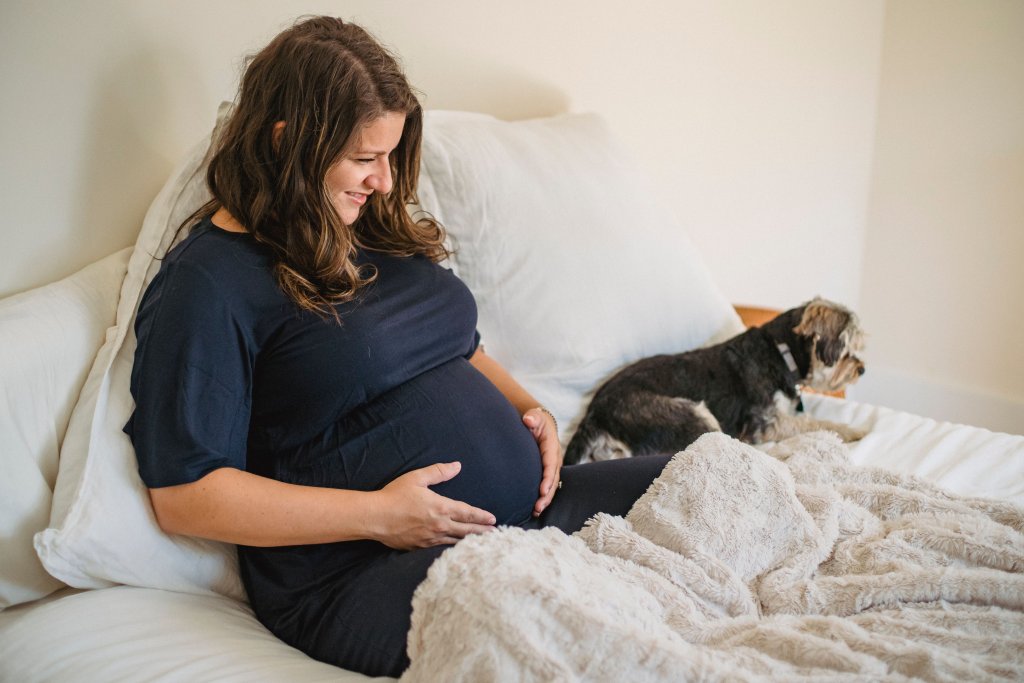
One of the nice things about a pregnancy pillow is that it often stays useful after birth. It can provide support during feeding, resting, sitting up in bed, or recovering from the physical demands of pregnancy and labour. In those early weeks, when sleep comes in short and unpredictable stretches, comfort still matters.
Of course, every pregnancy is different. Some people want full-body support, while others prefer something smaller and easier to move around. The right option is the one that suits your body, your bed and the way you naturally try to settle at night.
Better Rest Starts With Less Strain
Pregnancy sleep may never be completely effortless, especially near the end, but it doesn’t have to be a nightly battle either. The right support can take pressure off the areas doing the hardest work and make it easier to settle into a position that feels sustainable.
Sometimes better sleep comes from one simple upgrade that lets your body stop working quite so hard through the night.